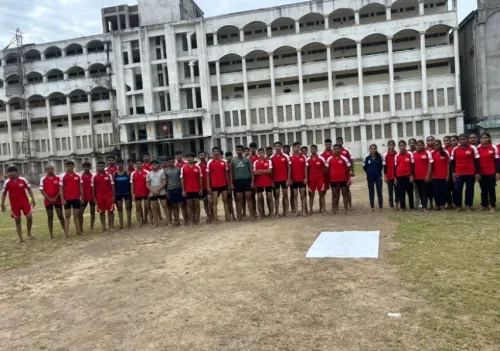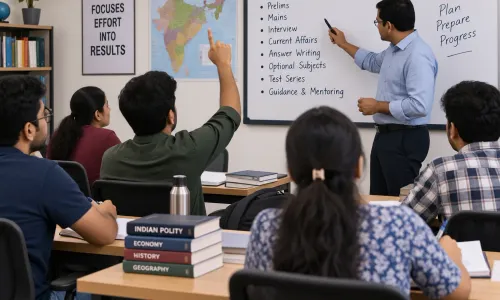


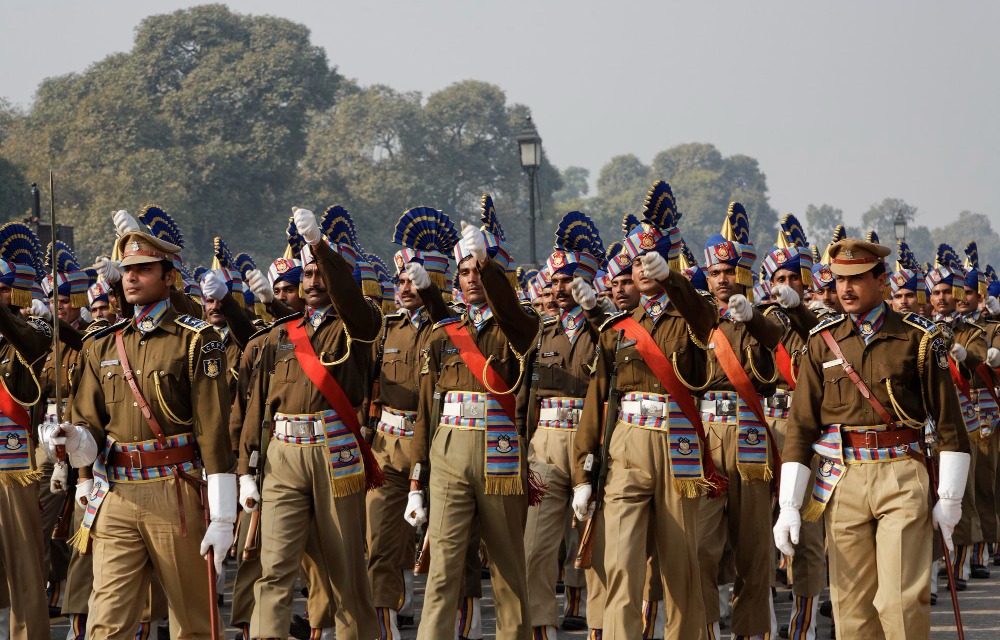
Joining the police force is a dream for many young aspirants who want to build a career in public service while enjoying job security and opportunities for professional growth. However, clearing the recruitment process requires much more than physical strength. Candidates must perform well in written examinations, physical efficiency tests, medical evaluations, and document verification. This is why many students begin their preparation through a professional Police Training Academy that offers balanced academic and physical guidance.
Students from Pune and across Maharashtra often underestimate the level of competition involved in police recruitment. Every notification attracts thousands of applicants, making systematic preparation an important factor in improving performance.
What Does Police Recruitment Preparation Include?
A complete preparation plan generally covers multiple stages rather than focusing on only one examination.
These typically include:
- General Knowledge and Current Affairs
- Reasoning Ability
- Quantitative Aptitude
- Marathi and English Language
- Physical Fitness Training
- Running Practice
- Long Jump and High Jump Preparation
- Interview Guidance where applicable
Preparing for all these stages together helps candidates remain confident throughout the recruitment process.
Why Self-Preparation May Not Be Enough
Many students start preparing using freely available online resources. While these materials are helpful, they often lack structure and consistency.
Some common challenges include:
- Difficulty deciding what to study first
- Lack of regular mock tests
- Poor time management
- Limited physical training support
- Inconsistent revision schedules
A well-planned learning environment helps candidates stay disciplined and monitor their progress more effectively.
Importance of Physical Fitness
Police recruitment is unique because success depends on both mental and physical performance.
Students should gradually develop:
- Endurance
- Speed
- Stamina
- Agility
- Overall fitness
Beginning physical preparation early reduces the risk of injuries while improving performance during official tests.
Building Strong Study Habits
Success in competitive examinations usually comes from consistency rather than studying for long hours occasionally.
Students often benefit from:
- Daily study targets
- Weekly revision sessions
- Topic-wise practice papers
- Previous years' question paper analysis
- Regular self-assessment
These habits improve retention and reduce examination anxiety.
Learning Through Mock Tests
Mock examinations help candidates experience the pressure of the actual exam.
They also help identify:
- Weak subjects
- Frequently repeated mistakes
- Time management issues
- Accuracy levels
- Areas requiring additional revision
Improving these aspects gradually can make a noticeable difference in the final score.
Staying Updated with Recruitment Trends
Police recruitment patterns occasionally change based on official notifications.
Students preparing in Maharashtra should regularly follow updates regarding:
- Eligibility criteria
- Syllabus changes
- Physical test requirements
- Reservation rules
- Examination dates
Keeping track of official announcements prevents unnecessary confusion later.
Choosing the Right Learning Environment
A supportive learning atmosphere encourages students to remain motivated throughout months of preparation.
Many aspirants prefer institutes that provide:
- Experienced faculty
- Physical training support
- Doubt-clearing sessions
- Regular assessments
- Personal guidance
Students exploring a structured Police Training Academy in Pune often look for institutions that combine classroom preparation with disciplined physical practice. Darji Foundation follows this balanced approach, helping aspirants prepare for different stages of the recruitment process through organized learning and continuous practice.
Police recruitment demands commitment, patience, and consistent effort. Beginning preparation with the right strategy gives candidates a stronger foundation for every stage of the selection process.