

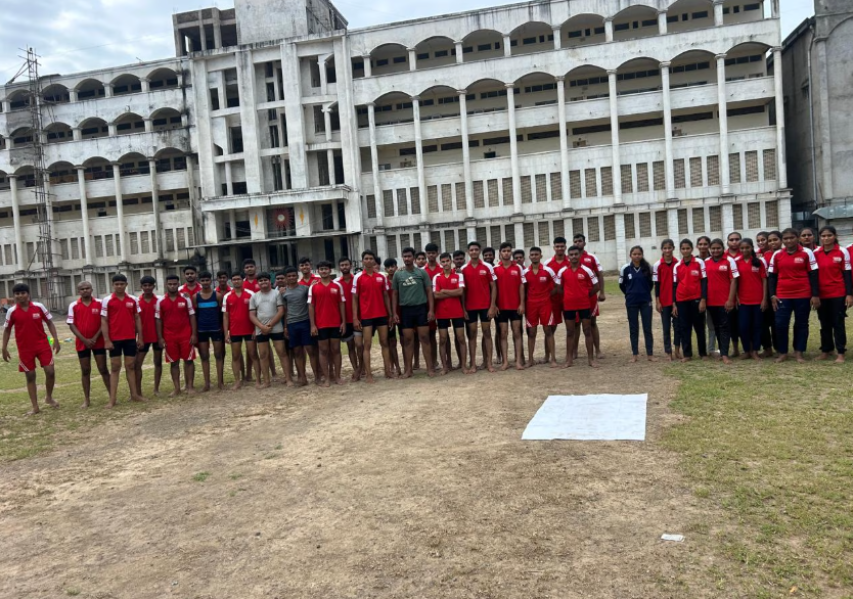
Government recruitment opportunities in police services, defence-related roles, and other uniformed services may involve physical standards or fitness assessments alongside academic selection requirements. Candidates looking for Physical Training should therefore choose a programme based on structured conditioning rather than simply intense daily exercise.
For aspirants in Jalgaon and across Maharashtra, the right preparation starts with understanding current fitness levels and the requirements of the recruitment process being targeted.
Begin With the Recruitment Requirements
Physical criteria vary depending on the recruitment notification and role.
Candidates should verify current official requirements instead of depending on outdated information shared through informal sources. Depending on the recruitment process, relevant areas may include running, endurance, strength, physical measurements, and other prescribed tests.
Training should then be designed around the applicable requirements.
Assess Your Starting Fitness
Two candidates preparing for the same test may require completely different programmes.
One may already have good endurance but limited strength. Another may have strong sprinting ability but struggle to maintain pace over longer distances.
Before beginning structured Physical Training, candidates should establish baseline measurements such as comfortable running distance, running time, basic strength capacity, mobility, and recovery after exercise.
These measurements provide a reference point for future progress.
Look for Progressive Conditioning
A training programme should not push every participant to maximum intensity from the first day.
Fitness develops through progressive overload, which means increasing training demands gradually as the body adapts.
A sensible routine may include:
- Running practice
- Endurance development
- Bodyweight strength exercises
- Mobility work
- Warm-up and cool-down routines
- Recovery periods
- Performance tracking
The exact schedule should reflect the recruitment requirements and individual readiness.
Check Whether Progress Is Measured
Training without measurement makes it difficult to know whether performance is improving.
Candidates can maintain weekly records of running times, distances, repetitions, consistency, and other relevant metrics.
Small improvements over several weeks are often more meaningful than one unusually strong training day.
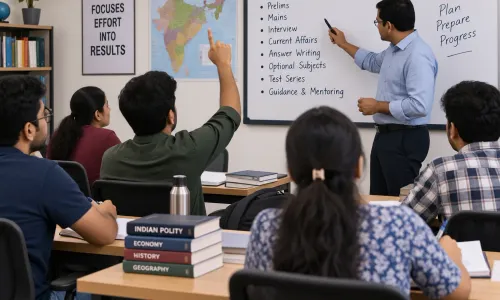
Academic Preparation Still Matters
Candidates preparing for Police Bharti, Army-related recruitment, and similar examinations should avoid treating physical and academic preparation as competing priorities.
A daily routine can allocate separate time for physical conditioning and written examination subjects.
Darji Foundation supports competitive examination aspirants in Jalgaon, including students preparing for recruitment pathways that may require academic and physical readiness. Candidates can assess whether a training programme provides a structured routine aligned with their intended examination rather than a generic fitness schedule.
Consider Practical Training Conditions
Before joining, students should understand the training timetable, frequency, assessment process, and expectations regarding attendance.
Early morning training may suit some candidates, while others need a schedule compatible with college, work, or academic coaching.
Recovery also deserves attention. Consistently training while exhausted can reduce performance and increase the likelihood of injury. Sleep, hydration, appropriate food intake, and rest days all contribute to fitness development.
Physical recruitment preparation rewards consistency more than occasional extreme effort. Candidates who understand the required standards, measure their starting point, train progressively, and track improvement can approach physical assessments with a clearer understanding of their readiness.